
Common Mistakes to Avoid During Elevator Installation
- Written by Greg Rogers
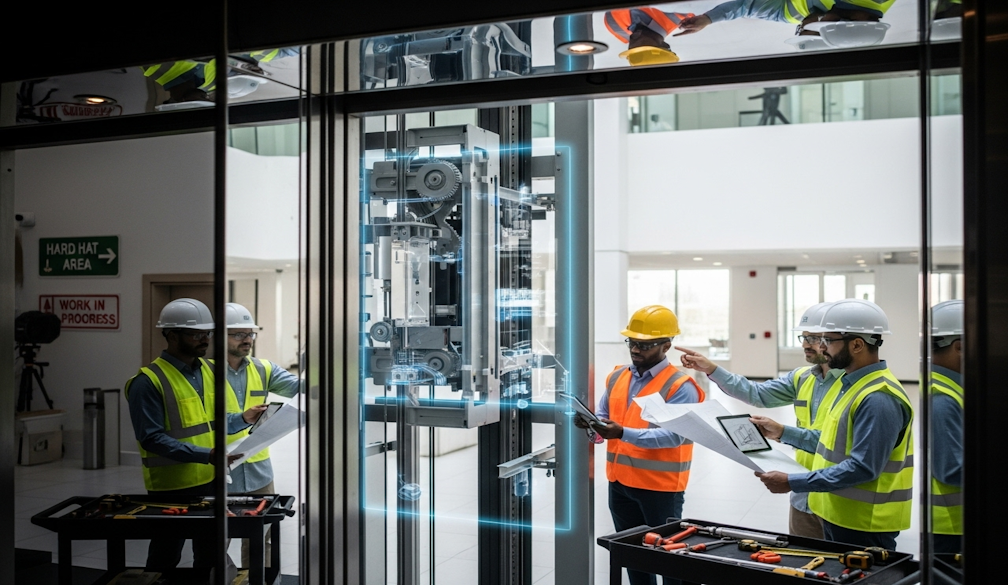
Installing an elevator is a significant investment that can enhance accessibility, convenience, and property value. However, if the process isn’t managed correctly, small oversights can lead to costly issues down the track. Whether you are upgrading an existing building or planning for a new development, avoiding common mistakes during elevator installation is essential to ensure safety, efficiency, and long-term performance.
Failing to Plan for Space and Structure
One of the biggest mistakes property owners make is not allowing adequate space for the elevator shaft and machinery. Even compact modern models require careful planning to integrate seamlessly into a building’s design. Structural considerations, such as ceiling height, pit depth, and load-bearing capacity, must be addressed early to prevent delays or costly redesigns.
Choosing the Wrong Type of Elevator
Not every elevator is suited to every building. Residential, commercial, and industrial properties all have different requirements in terms of capacity, speed, and functionality. Selecting an inappropriate model can lead to operational inefficiencies and ongoing maintenance challenges. Consulting with specialists before making a decision ensures the chosen elevator aligns with both current and future needs.
Overlooking Compliance and Safety Standards
Elevators are highly regulated in Australia to ensure passenger safety. Cutting corners or failing to comply with the relevant codes and standards can result in fines, liability issues, or unsafe operating conditions. Always work with qualified professionals who understand local regulations and can provide the necessary certification upon completion.
Ignoring Long-Term Maintenance Needs
Some property owners focus solely on the installation process and neglect to plan for ongoing servicing. An elevator requires regular inspections and maintenance to operate safely and efficiently. Setting up a service schedule from the outset helps prevent unexpected breakdowns and extends the life of the equipment.
Underestimating Budget Requirements
Elevator projects involve more than just the initial purchase. Costs can include design modifications, permits, electrical upgrades, and maintenance contracts. Underestimating these expenses can put pressure on your budget and compromise the quality of the final outcome. A clear financial plan with contingencies ensures there are no unpleasant surprises.
Working with Unqualified Contractors
The expertise of your installation team is just as important as the elevator itself. Hiring contractors without proven experience in elevator projects increases the risk of errors, delays, and non-compliance. Always verify credentials, check references, and choose a team that has a track record of delivering safe and reliable installations.
Final Thoughts
An elevator can transform a property, but only if the installation is handled with care and precision. By avoiding these common mistakes—such as poor planning, neglecting compliance, or overlooking long-term servicing—you can ensure your elevator delivers smooth, safe, and reliable operation for years to come.