
Designing for the Battleaxe Block - Sub-Divide and Conquer!
- Written by Greg Rogers
With low rental vacancies and soaring property prices continuing to fuel the housing crisis on the Sunshine Coast, the Sunshine Coast Council have implemented Housing and Homelessness Action Plans to encourage medium density developments. Considering approximately 70% of the region’s housing stock consists of detached single-family homes, there is an urgent demand for smaller, more affordable options such as townhouses, units and dual living spaces. This has spurred a growing trend in the region — the battleaxe block.
Older, well-established suburbs such as Buderim, Woombye, Nambour, Palmwoods and Maroochydore, that typically feature larger blocks, are particularly suited to subdivision. Battleaxe blocks allow a new home to be tucked neatly behind the original without compromising the character of the neighbourhood. Homeowners who may have faced council barriers to subdivision in the past can now take advantage of the easing of previous restrictions and capitalise on this state-mandated push for new home developments.
Determining if Your Block is Suitable for Subdivision
Battleaxe blocks require access via a driveway of at least 3.5-4m width —the handle —in addition to the block of at least 450m². Homeowners who are considering subdivision are advised to use the Sunshine Coast Council’s free site report tool to check if their property is subject to any environmental overlays, such as bushfire, flood, landslide or vegetation and biodiversity overlays that may impact development.
No two battleaxe blocks are the same, so each one requires an individual approach to home design.
Home Design for Battleaxe Blocks
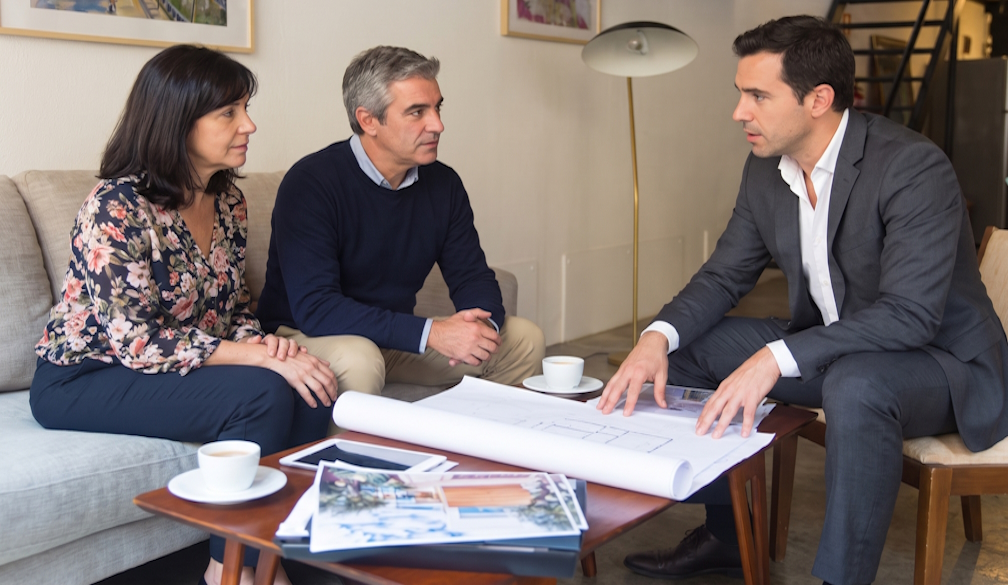
Successful home design for battleaxe blocks begins with understanding the site’s unique opportunities and constraints. Experienced custom home builders on the Sunshine Coast can help determine the ideal location for the second dwelling, identify any limitations, and ensure utility connections such as sewerage, water, stormwater and electricity are feasible.
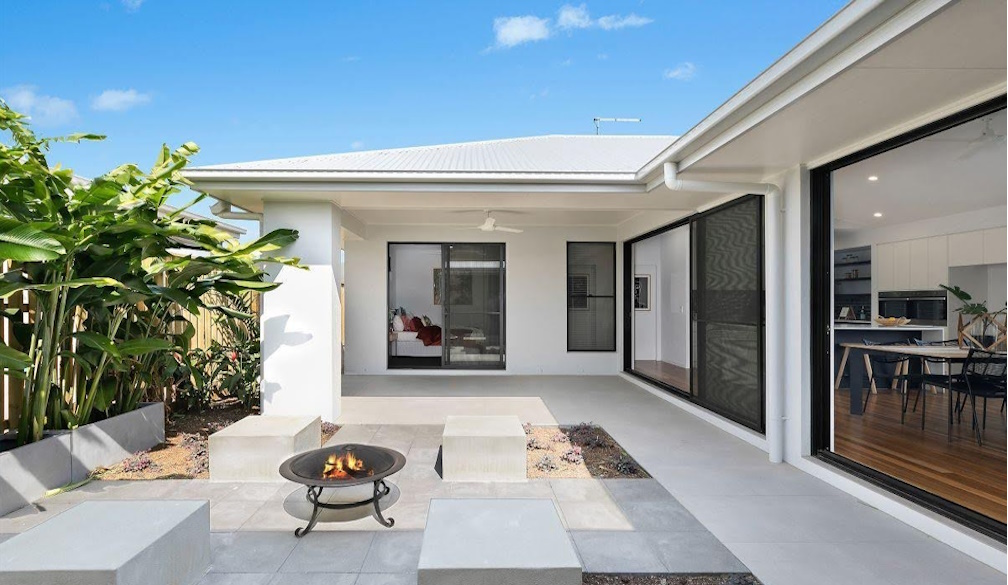
Whilst battleaxe blocks are often narrow, thoughtful design can maximise every square metre, and strategic window placement can flood open plan areas with natural light, encourage cross ventilation and give a greater sense of space. By carefully orientating living areas, outdoor spaces and windows, both homes can enjoy privacy.
With the right approach, even challenging sites can be highly functional homes that complement the original home and blend seamlessly with the surrounding neighbourhood. A custom-designed home not only makes the most of available land, but also adds long term value by creating a practical, attractive living space that is uniquely suited to the block.