

The Big Problem with Machinery Transport for Farmers Finds a Solution
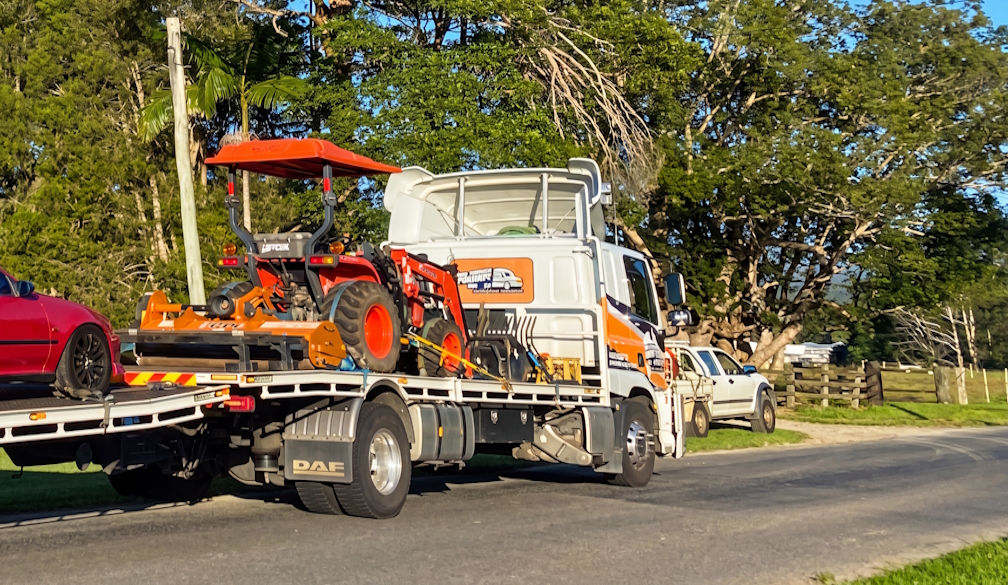
Heavy equipment transport has long been a major headache for farmers. It’s a highly specific service with unique logistical hurdles that most freight networks aren’t equipped to handle. Without a dedicated supplier handling your delivery, transporting heavy machinery from a manufacturer to a farm or remote grazing station can quickly become a costly exercise. Heavy machinery doesn’t usually pair well with standard transport equipment, and oversized transport has always come with an expensive price tag.
The agricultural sector has been overpaying for shipping for decades, and because mining and farming gear typically exceeds standard auto dimensions, the only option historically has been oversized transport services. In addition to premium freight rates, there are special permits and pilot vehicles to consider. Luckily, there’s a practical solution to this age-old problem, and it fills the gap in the logistical side of the market.
Outsized Vehicle Transport Company
Enter specialist interstate machinery transport firms. These specially trained companies utilise heavier carriers to accommodate mining and farming equipment without the need for full-scale oversized transport solutions. This specific niche allows freighters to cater to primary producers looking to save thousands in unnecessary shipping fees and keep their budgets under control.
Robin Moore, of specialist interstate machinery transport company All Vehicle Freight, shared his expert insight. “The key difference is in the loading and securing capacity of both the transport vehicle and the driver. We specialise in shipping vehicles that are outside the usual dimensions and weight distributions. For farmers, mining companies and regional infrastructure projects, it means a cheaper alternative to the oversized transport services, without risking damage to expensive parts and machinery.”
These firms utilise specially engineered trailers that factor in weight distribution and are driven by drivers experienced and trained to understand agricultural geometry to solve one of the industry’s biggest logistical headaches.
Standard Transport Versus Specialist Transport
|
The Failure of Standard Transport |
The Solution |
|
Rigid dimensions – standard flatbeds have strict weight and width limits. |
Optimised pricing – Rather than paying a blanket penalty rate for oversized hauls, farmers pay for the actual shipping footprint. |
|
Cost blowouts – If you exceed the rigid dimensions by a centimetre, you could require expensive oversized permits. |
Heavy-duty capabilities – Drivers are cross-trained to handle heavy equipment without the need for a heavy-haulage setup. |
|
Escort requirements – A slight over-dimensioned freight can lead to unnecessary pilot vehicle requirements. |
Specialised fleet – With awkward and heavy equipment, a specialised fleet of adaptable low-boy and drop-deck trailers makes for a seamless loading and unloading process. |
|
Penalties – Cattle stations in rural areas often face doubled costs for deadhead returns. |
Interstate network – Optimised logistical routes to connect remote farming regions and manufacturing hubs. |
While moving heavy assets across state lines used to break the budget, enlisting the services of a specialist machinery transport company will ensure your equipment arrives safely and promptly. Don’t let old-school freight limitations waste your capital when you can reach out to a specialist for a cost-effective and secure transit solution to transport your equipment and machinery.