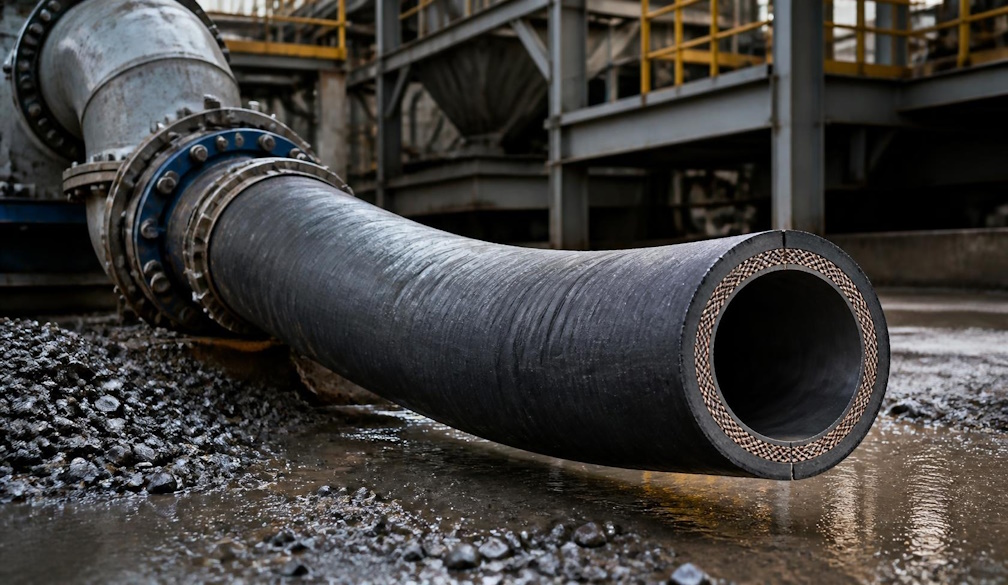

Slurry Hose Solutions Built for High-Wear Industrial Applications
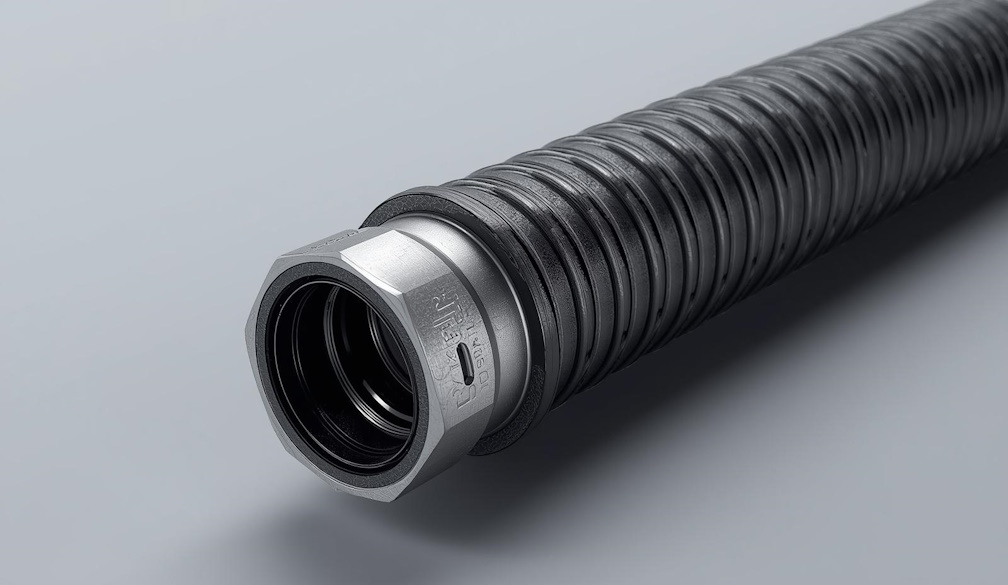
In industries where abrasive mixtures of solids and liquids are moved continuously, the reliability of a slurry hose becomes critical to daily operations. Slurry is not a gentle medium. It often contains sand, gravel, minerals, or other harsh particles that can quickly degrade standard hoses. A purpose-built slurry hose is designed specifically to handle these conditions, maintaining consistent flow while resisting internal wear, pressure fluctuations, and environmental stress.
Slurry hoses are widely used in mining, quarrying, dredging, and heavy industrial processing. In these environments, hose failure does not just slow operations, it can lead to costly downtime, equipment damage, and safety risks. Choosing the correct hose type is therefore an operational decision as much as it is a maintenance one.
Understanding What Makes Slurry Transfer Demanding
Slurry combines liquid with solid particles, creating a medium that is heavier, more abrasive, and more unpredictable than clean water. As it moves through a hose, solid particles constantly strike the inner lining, gradually wearing it down.
Standard hoses are not designed to withstand this repeated abrasion. Slurry hoses, on the other hand, are engineered with specialised internal linings and reinforced structures that absorb impact and reduce erosion. This allows them to maintain performance even under continuous operation.
Why Slurry Hoses Are Essential in Mining and Processing
Mining and mineral processing operations rely heavily on slurry transfer for moving ore, tailings, and waste materials. Slurry hoses form a vital link between pumps, processing equipment, and disposal systems.
In these settings, hose reliability directly affects productivity. A hose that collapses, leaks, or wears through prematurely can bring entire systems to a halt. Slurry hoses are designed to reduce these risks by maintaining structural integrity under suction and discharge pressure.
Abrasion Resistance as a Core Design Feature
One of the defining characteristics of a slurry hose is its abrasion-resistant lining. This internal layer is designed to withstand constant contact with sharp or coarse particles.
High-quality slurry hoses use compounds that resist cutting, gouging, and gradual thinning. This resistance significantly extends service life and ensures flow efficiency remains consistent over time. Reduced wear also means fewer pressure drops and less strain on pumping equipment.
Reinforcement and Structural Strength
Slurry hoses must maintain their shape under both suction and pressure. Reinforced layers, often in the form of textile or steel spirals, prevent collapse under vacuum conditions and bursting under pressure.
This reinforcement ensures uninterrupted flow and protects pumps from cavitation, a condition that can occur when suction is restricted. By maintaining internal diameter, slurry hoses support smoother and more efficient material transfer.
Flexibility for Complex Site Layouts
Despite their heavy-duty construction, slurry hoses must also be flexible enough to adapt to site conditions. Mining and industrial environments rarely offer straight, unobstructed layouts.
Slurry hoses are designed to bend without kinking, allowing them to be routed around equipment, uneven ground, and temporary setups. This flexibility simplifies installation and repositioning, saving time and reducing handling strain.
Temperature and Environmental Resistance
Slurry operations often take place outdoors or in environments exposed to heat, moisture, and chemicals. Slurry hoses are built to resist degradation caused by UV exposure, temperature changes, and contact with industrial substances.
This environmental resistance ensures consistent performance across seasons and operating conditions. It also reduces the need for frequent replacement due to cracking or material breakdown.
Compatibility With Pumps and Fittings
A slurry hose must integrate seamlessly with pumps, couplings, and fittings used on site. Proper compatibility ensures secure connections and minimises leakage or pressure loss.
Using hoses designed for slurry applications supports optimal pump performance. When flow remains consistent and unrestricted, pumps operate more efficiently and experience less wear over time.
Reducing Downtime Through Reliable Hose Selection
Unplanned downtime is one of the most expensive challenges in industrial operations. Hose failure can halt production, delay projects, and increase maintenance costs.
Slurry hoses built for durability help reduce these interruptions. Their ability to withstand abrasion and pressure supports longer service intervals and more predictable maintenance schedules.
Maintenance and Inspection for Long-Term Use
While slurry hoses are designed for demanding conditions, regular inspection remains important. Monitoring wear patterns, checking for soft spots, and ensuring fittings remain secure helps extend service life.
Proactive maintenance allows potential issues to be identified before failure occurs. This approach supports safer operations and protects surrounding equipment from damage.
Safety Considerations in Slurry Transfer
Slurry hose failure can create serious safety hazards, including spills, pressure surges, and exposure to hazardous materials. In mining environments, these risks are amplified by the scale of operations.
High-quality slurry hoses reduce safety risks by maintaining integrity under stress. Reinforced construction and abrasion-resistant linings contribute to a safer working environment for operators and maintenance crews.
Cost Efficiency Over the Long Term
Although heavy-duty slurry hoses may represent a higher upfront investment, they deliver long-term cost savings. Reduced replacement frequency, lower downtime, and less equipment damage all contribute to overall efficiency.
Choosing the right slurry hose helps operations control costs while maintaining productivity. This balance is especially important in industries with tight margins and high operational demands.
Supporting Diverse Slurry Applications
Slurry hoses are used across a wide range of applications, from mineral processing and tailings transport to dredging and waste management. Their adaptability makes them essential across multiple industries.
By handling different slurry compositions effectively, these hoses provide flexibility for evolving operational needs.
The Ongoing Importance of Slurry Hose Systems
Slurry hose systems remain fundamental to heavy industry because they enable the efficient movement of challenging materials. Their durability, flexibility, and resistance to abrasion make them indispensable in demanding environments.
By selecting high-quality slurry hoses, operations protect equipment, improve safety, and maintain consistent performance. In applications where abrasion and pressure are constant, slurry hoses deliver the reliability required to keep industrial systems running smoothly.