

How Contractors Suction Hoses Support Reliable Fluid Handling In Demanding Applications
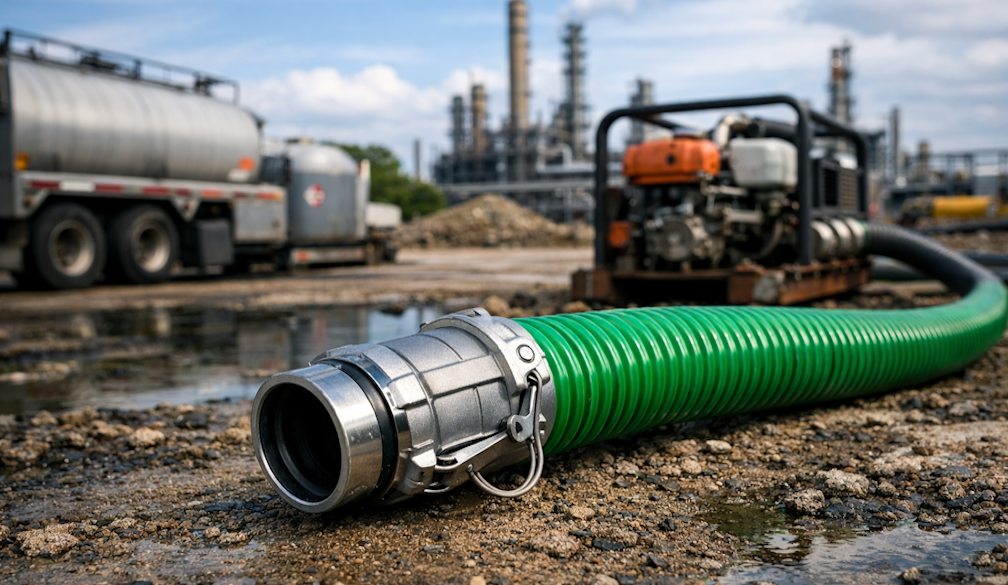
Efficient fluid transfer is essential in industries such as construction, agriculture, and industrial operations, which is why a high-performance Contractors suction hose is a critical component in many systems. These hoses are specifically engineered to handle demanding environments where durability, flexibility, and consistent performance are required. Their design allows them to manage both suction and delivery tasks effectively.
In many field operations, the concept of contractor suction refers to equipment that can withstand heavy-duty usage while maintaining operational efficiency. This includes handling abrasive materials, varying pressure conditions, and continuous usage without compromising performance. The right hose ensures that fluid transfer systems operate smoothly even in challenging conditions.
Additionally, systems often incorporate a Bauer hose, which is known for its compatibility with quick-connect fittings and efficient coupling mechanisms. This type of hose supports streamlined installation and disassembly, making it suitable for applications that require frequent adjustments or mobility.
Understanding The Design Of Contractors Suction Hoses
Contractors suction hoses are designed with multiple layers to provide strength and flexibility. The inner layer ensures smooth fluid flow, while reinforcement layers provide structural integrity to prevent collapse under suction pressure. The outer layer offers protection against external factors such as abrasion and environmental exposure.
This multi-layered design allows the hose to perform reliably in demanding conditions. It ensures that the hose maintains its shape and functionality even when subjected to heavy loads and continuous use.
Key Features That Enhance Performance
High-quality suction hoses are built to handle both suction and discharge operations. Reinforcement materials such as spiral wire or synthetic fibres help maintain the hose’s structure under pressure. This prevents kinking and ensures uninterrupted flow.
Flexibility is another important feature, allowing the hose to be used in different configurations and environments. A balance between strength and flexibility ensures that the hose can adapt to various operational requirements without compromising durability.
Applications Across Different Industries
Contractors suction hoses are widely used in industries that require efficient fluid handling. In construction, they are used for dewatering and transferring water from excavation sites. In agriculture, they support irrigation and water distribution systems.
Industrial applications may involve handling chemicals or other liquids, requiring hoses that are resistant to specific substances. Each application has unique requirements, making it important to select a hose that meets those conditions.
The Role Of Couplings And Connections
Efficient hose performance depends not only on the hose itself but also on the quality of its connections. Bauer-type couplings are commonly used for their quick-connect design and secure fit. These couplings allow for easy assembly and disassembly, improving efficiency in operations that require frequent changes.
Proper connections ensure that there are no leaks or pressure losses, maintaining system efficiency. Using compatible fittings is essential for achieving optimal performance.
Durability In Harsh Environments
Contractors suction hoses are often exposed to challenging conditions, including rough terrain, temperature variations, and abrasive materials. High-quality materials provide resistance to these factors, ensuring long-term performance.
Durability reduces the need for frequent replacements, making the hose a cost-effective solution. Investing in robust materials helps maintain reliability and minimise downtime.
Maintaining Efficiency In Fluid Transfer Systems
Efficient fluid transfer relies on proper hose selection, installation, and maintenance. A well-maintained hose ensures consistent flow and reduces the risk of operational issues. Regular inspections help identify wear and tear before it leads to failure.
Preventive maintenance includes checking for cracks, leaks, and weakened areas. Addressing these issues early helps maintain system performance and extends the lifespan of the hose.
Factors To Consider When Choosing A Suction Hose
Selecting the right hose involves evaluating factors such as pressure rating, diameter, and material compatibility. The pressure rating determines the hose’s ability to handle operational conditions, while the diameter affects flow rate.
Material compatibility is essential for ensuring that the hose can handle the type of fluid being transferred. Choosing the correct specifications ensures safe and efficient operation.
The Importance Of Proper Handling And Storage
Proper handling and storage play a significant role in maintaining the performance of suction hoses. Avoiding sharp bends and storing hoses in suitable conditions helps prevent damage. This ensures that the hose remains in good condition for extended use.
Following recommended practices for handling and storage helps maximise the lifespan of the equipment. This contributes to long-term efficiency and cost savings.
Conclusion
Contractors suction hoses are essential for reliable fluid handling in demanding applications. With their durable construction, flexible design, and compatibility with efficient coupling systems, they support a wide range of industrial and field operations. By selecting the right hose and maintaining it properly, users can ensure consistent performance and long-term value in their fluid transfer systems.