

Allied Health Explained: Who Does What and How the Team Fits Together
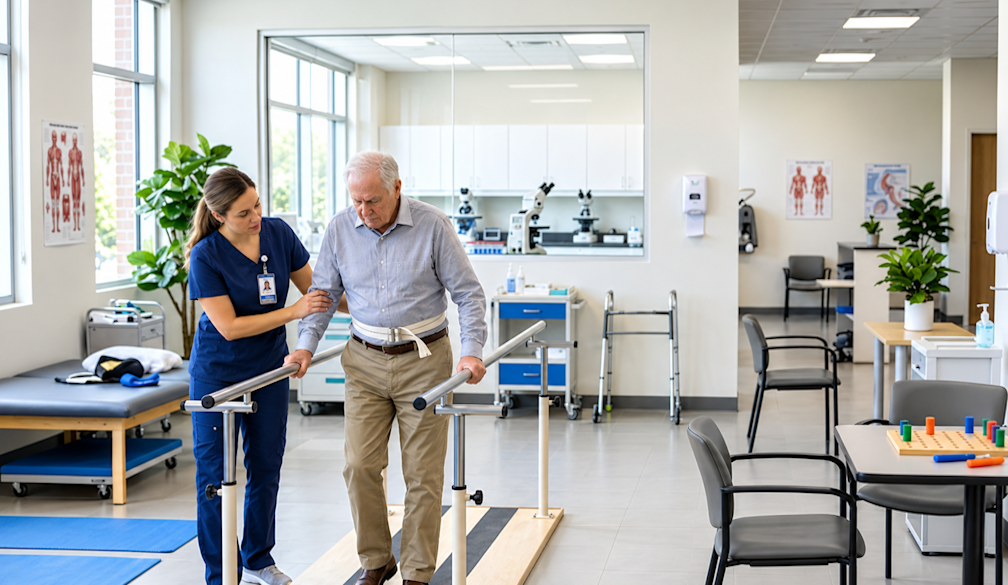
The phrase "allied health" turns up often in health conversations, yet it is rarely explained. It covers a large and varied group of professions, and the differences between them are not always obvious to someone trying to work out who to see. A clear picture of how the group is organised makes that decision much easier.
What the Term Means
Allied health professionals are university-trained practitioners who work as part of a person's healthcare team, according to the Better Health Channel. They help with recovery from illness or injury, support the management of long-term conditions, and assist with quality of life and self-care. Doctors, nurses and dentists are not counted as allied health.
The list of professions is long. It includes audiologists, dietitians, exercise physiologists, occupational therapists, optometrists, osteopaths, physiotherapists, podiatrists, psychologists, social workers and speech pathologists, among others. They work in many settings, from hospitals and community health centres to aged-care facilities and private practices.
A Closer Look at Three Common Professions
For anyone considering Allied Health Redcliffe services, it helps to know how three of the most commonly seen professions are described, since they are often mentioned together.
Physiotherapists are described as experts in body movement and function. They assess movement problems and develop treatment and exercise programs for people affected by injury, illness or disability. Podiatrists assess, diagnose, treat and manage conditions of the feet and legs, and foot care is highlighted as particularly important for people with conditions such as diabetes and for children, whose feet are still developing. Exercise physiologists provide information and advice about exercise, putting together individual programs to help people manage and prevent injuries and long-term conditions.
None of these descriptions is better or worse than another. They simply describe different starting points, and a person's needs can touch on more than one.
How the Professions Are Regulated
Registration is one point where the professions differ. Physiotherapists and podiatrists must be registered through Ahpra, the national regulator, with their own national boards. This means their names appear on a public register that anyone can search.
Exercise physiology works differently. It is classed as industry self-regulated, with optional registration through Exercise and Sports Science Australia. In practice, the way to confirm a practitioner's status depends on the profession: the Ahpra register for the regulated professions, and the relevant professional body for the others.
Most allied health professions are regulated through a national body, but not all, so it is worth checking a practitioner's status directly.
Finding the Right Starting Point
A local GP is a common first stop, and may recommend a suitable allied health professional. For physiotherapy, podiatry and exercise physiology, it is also possible to book directly without a referral, although a doctor or another health professional may refer a person as well.
Community health centres and public hospitals also offer allied health services in some cases, although waiting times can be long.
Preparing for the First Appointment
A little preparation tends to make a first appointment more useful. It helps to note when symptoms started, what seems to trigger them and what eases them. A list of questions, current medications and supplements, and details of past surgeries or tests is also useful, and so are any scan or test results such as x-rays. Some people like to bring a friend or family member.
Questions worth asking include how a treatment works, how long it is likely to take, what can be done at home, and whether there are any side effects or interactions with other treatments or medications. Clear answers help a person decide whether the approach suits them.
Why a Team Approach Matters
Because allied health professions focus on different aspects of health, they often work alongside one another and alongside doctors. A person recovering from an injury, for example, might see one practitioner for movement and another for foot care, with a GP keeping track of the overall picture. This kind of coordination is one of the main reasons the term "team" appears so often.