

Why Childcare Cleaning Is Essential for Healthy Early Learning Spaces
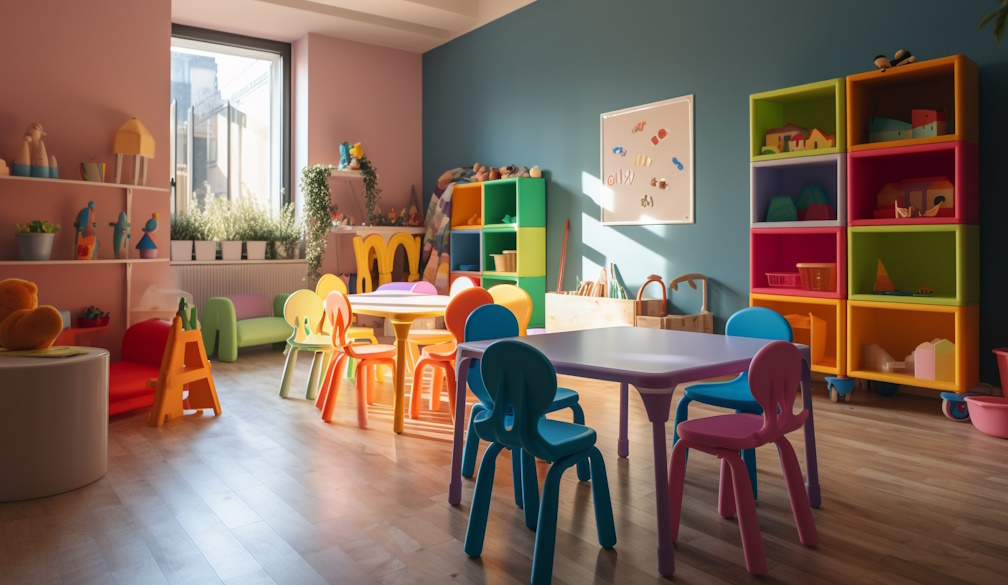
Young children explore the world through touch, movement, and close interaction, which makes cleanliness a fundamental requirement in early learning environments. Childcare cleaning plays a vital role in protecting children’s health, supporting development, and maintaining the trust of parents and caregivers. In spaces where children eat, play, rest, and learn, hygiene standards must be consistently high to create safe and nurturing surroundings.
Childcare centres experience constant activity throughout the day. Toys are shared, surfaces are touched repeatedly, and spills are common. Without proper cleaning routines, germs can spread quickly, increasing the risk of illness. Maintaining clean environments helps minimise these risks and supports uninterrupted learning and care.
Protecting Children’s Health and Wellbeing
Children in childcare settings are more vulnerable to infections due to developing immune systems and close contact with peers. Clean floors, sanitised play areas, and hygienic restrooms reduce exposure to harmful bacteria and viruses. Regular cleaning supports healthier attendance and fewer outbreaks, benefiting both children and staff.
A clean environment also supports emotional wellbeing. Children feel more comfortable and secure in spaces that are fresh and well maintained. When surroundings are clean and organised, it creates a calm atmosphere that encourages positive behaviour and engagement.
Supporting Safe Play and Learning
Play is central to early childhood development, and clean spaces make play safer and more enjoyable. Toys, learning materials, and play equipment are frequently handled and must be kept hygienic to prevent contamination. Thorough cleaning ensures that children can explore freely without unnecessary health risks.
Learning areas also benefit from cleanliness. Tables, chairs, and activity stations that are regularly cleaned support better focus and participation. When distractions such as dirt or unpleasant odours are removed, children are better able to engage in activities that support cognitive and social development.
Building Trust With Parents and Caregivers
Parents place significant trust in childcare providers. Cleanliness is often one of the first indicators families use to assess the quality of care. Well-maintained facilities reassure parents that their children are in a safe and caring environment.
Transparent cleaning practices help strengthen this trust. When centres consistently maintain high hygiene standards, parents feel confident leaving their children in care. This confidence supports positive relationships and long-term enrolment.
Reducing the Spread of Illness
Childcare environments are particularly susceptible to the rapid spread of illness due to close interaction among children. Regular cleaning helps break this cycle by reducing the presence of germs on high-touch surfaces such as door handles, toys, and play equipment.
By lowering the risk of illness, childcare centres can reduce absenteeism among children and staff. This consistency benefits families by minimising disruptions and helps centres operate more smoothly throughout the year.
Supporting Staff Performance and Morale
Clean workplaces benefit staff as much as children. Educators and carers perform better in environments that are hygienic and organised. When cleaning standards are maintained, staff can focus on care and education rather than managing hygiene-related issues.
Improved morale is another important benefit. Working in a clean environment shows that the wellbeing of both children and staff is valued. This positive atmosphere contributes to better teamwork and job satisfaction.
Meeting Regulatory and Safety Standards
Childcare centres are subject to strict health and safety regulations. Maintaining clean facilities is essential for meeting these requirements and passing inspections. Consistent cleaning supports compliance and reduces the risk of penalties or operational disruptions.
Regulatory standards are designed to protect children, and effective cleaning is a key component of these expectations. Centres that prioritise hygiene demonstrate professionalism and accountability in their daily operations.
Adapting Cleaning to Childcare Needs
Cleaning in childcare settings requires careful consideration of children’s routines. Nap times, meal times, and play sessions must be accommodated without disruption. Cleaning schedules are often designed to align with these rhythms, ensuring thoroughness while maintaining comfort.
Different areas require different approaches. Playrooms, rest areas, kitchens, and restrooms all present unique challenges. Tailored cleaning methods ensure each space remains safe and suitable for young children.
Encouraging Healthy Habits Early
Clean environments help reinforce healthy habits from a young age. When children see clean spaces and participate in simple hygiene routines, they begin to understand the importance of cleanliness. These early lessons support lifelong habits that promote health and responsibility.
Educators often use the environment as a teaching tool. Clean and organised spaces model respect for shared areas, encouraging children to care for their surroundings and each other.
Long-Term Benefits for Childcare Centres
Investing in proper cleaning supports long-term success for childcare centres. Clean facilities experience less wear and tear, reducing maintenance costs over time. Flooring, furniture, and equipment last longer when properly maintained.
Strong hygiene practices also enhance reputation. Centres known for cleanliness are more likely to attract new families and retain existing ones. This positive perception supports growth and stability in a competitive sector.
Creating Foundations for Healthy Development
Childcare cleaning is more than a routine task. It forms the foundation for healthy development, safe learning, and positive experiences during critical early years. Clean environments support physical health, emotional comfort, and meaningful engagement.
By maintaining high cleaning standards, childcare centres create spaces where children can thrive. These environments nurture growth, learning, and wellbeing, giving children the best possible start during their formative years.