

Pallet Racking: Maximising Warehouse Space And Improving Storage Efficiency
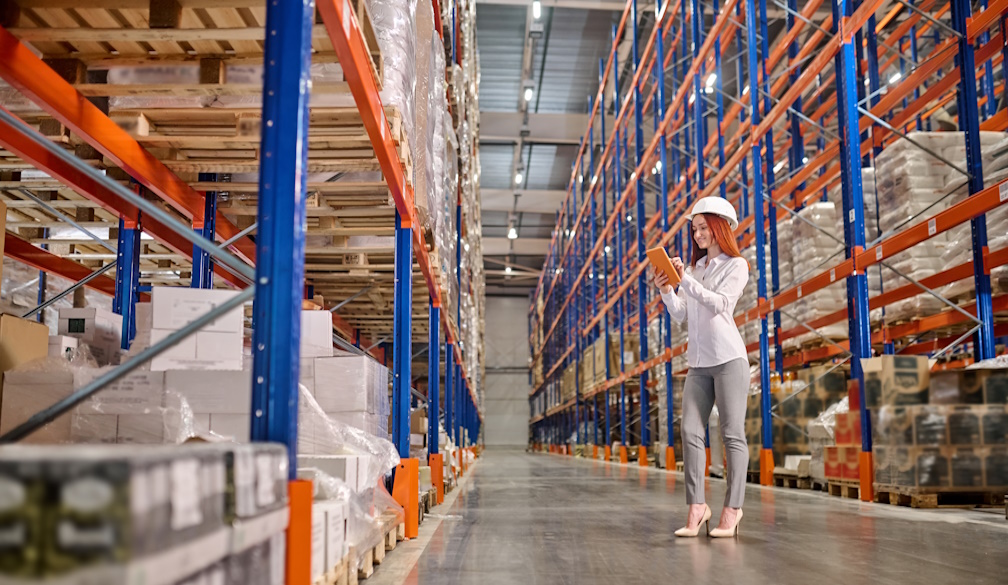
Efficient storage is one of the most important factors in successful warehouse and inventory management. As businesses grow and inventory volumes increase, the need for organised and accessible storage solutions becomes even more critical. This is why pallet racking has become a fundamental component of modern warehouses, distribution centres, manufacturing facilities, and logistics operations. By utilising vertical space effectively, pallet racking systems help businesses improve storage capacity while maintaining efficient access to inventory.
Warehouses face constant pressure to optimise available space without compromising safety or operational efficiency. Traditional floor storage methods often result in wasted space and reduced productivity. Pallet racking addresses these challenges by creating structured storage environments that support organised inventory management and streamlined workflows.
As supply chains continue to evolve, effective storage solutions remain essential for maintaining operational performance and supporting business growth.
Why Efficient Warehouse Storage Matters
Warehouse space represents a valuable business asset. Poor storage practices can lead to congestion, inventory inaccuracies, and reduced productivity, all of which impact operational efficiency.
An organised storage system allows businesses to make better use of available space while improving inventory visibility and accessibility. Efficient storage contributes to faster order fulfilment, reduced handling times, and improved workflow management.
Businesses that invest in effective storage solutions are often better positioned to manage inventory growth and changing operational demands.
Understanding Pallet Racking Systems
Pallet racking systems are designed to store palletised goods in a structured and accessible manner. These systems utilise vertical storage space by arranging inventory on multiple levels, allowing warehouses to accommodate larger quantities of stock within the same footprint.
The framework typically consists of upright frames, horizontal beams, and storage levels configured to suit specific inventory requirements. Forklifts and material handling equipment can access products efficiently, supporting smooth warehouse operations.
This approach helps maximise storage density while maintaining accessibility.
Increasing Storage Capacity
One of the most significant benefits of pallet racking is its ability to increase storage capacity. Rather than relying solely on floor space, businesses can utilise warehouse height to store inventory more efficiently.
Vertical storage reduces wasted space and enables organisations to accommodate larger inventory volumes without expanding their facilities. This can result in substantial cost savings while supporting future growth.
Maximising storage capacity is particularly valuable in high-demand industries where warehouse space is limited or expensive.
Improving Inventory Organisation
Accurate inventory management is essential for maintaining operational efficiency and customer satisfaction. Disorganised storage systems can lead to misplaced stock, delayed shipments, and inventory discrepancies.
Pallet racking provides clearly defined storage locations that simplify inventory tracking and retrieval. Products can be organised according to category, turnover rate, size, or other operational requirements.
Improved organisation helps businesses maintain greater control over inventory while reducing errors and inefficiencies.
Supporting Faster Order Fulfilment
In modern logistics environments, speed and accuracy are critical. Customers increasingly expect rapid order processing and reliable delivery timelines.
Pallet racking systems support faster order fulfilment by providing easy access to stored products. Warehouse personnel can locate and retrieve inventory more efficiently, reducing picking times and improving productivity.
Enhanced accessibility contributes to smoother operations and improved customer service outcomes.
Enhancing Workplace Safety
Safety is a major consideration within warehouse environments. Improper storage practices can create hazards that increase the risk of accidents, product damage, and equipment incidents.
Well-designed pallet racking systems help maintain orderly storage conditions while reducing clutter and improving traffic flow. Clearly defined storage locations contribute to safer material handling and inventory management practices.
Regular inspections and proper load management further support workplace safety objectives.
Flexibility For Different Industries
Pallet racking systems are highly versatile and can be adapted to suit a wide variety of industries and inventory types. Manufacturing facilities, retail distribution centres, wholesalers, and logistics providers all benefit from structured storage solutions.
Different racking configurations are available to accommodate varying operational requirements, product dimensions, and inventory turnover patterns. This flexibility allows businesses to tailor storage systems to their specific needs.
Customised solutions help maximise efficiency while supporting operational objectives.
The Importance Of Quality Design And Installation
The performance and safety of a pallet racking system depend heavily on proper design and installation. Factors such as load capacity, warehouse layout, product characteristics, and equipment requirements must all be considered during planning.
Professional design ensures the system meets operational needs while complying with relevant safety standards. Correct installation further contributes to long-term reliability and performance.
Investing in expert guidance helps businesses achieve safer and more effective storage outcomes.
Maintaining Long-Term Performance
Like any infrastructure investment, pallet racking requires ongoing maintenance and inspection to remain safe and effective. Regular assessments help identify damage, wear, or structural concerns before they affect operations.
Routine maintenance supports system longevity while helping businesses maintain compliance with workplace safety requirements. Preventative care reduces the likelihood of disruptions and protects valuable inventory.
A well-maintained storage system continues delivering benefits throughout its operational lifespan.
Conclusion
Pallet racking is an essential storage solution that helps businesses maximise warehouse capacity, improve inventory organisation, and enhance operational efficiency. By utilising vertical space and providing structured storage environments, these systems support faster order fulfilment, improved safety, and better overall inventory management. Whether operating a small warehouse or a large distribution centre, investing in quality pallet racking can deliver long-term benefits that strengthen productivity and support future growth. Effective storage infrastructure remains a key factor in achieving success within modern logistics and supply chain operations.