

How to Tell If Bed Bugs Are Hiding in Your Bedroom Before the Infestation Spreads
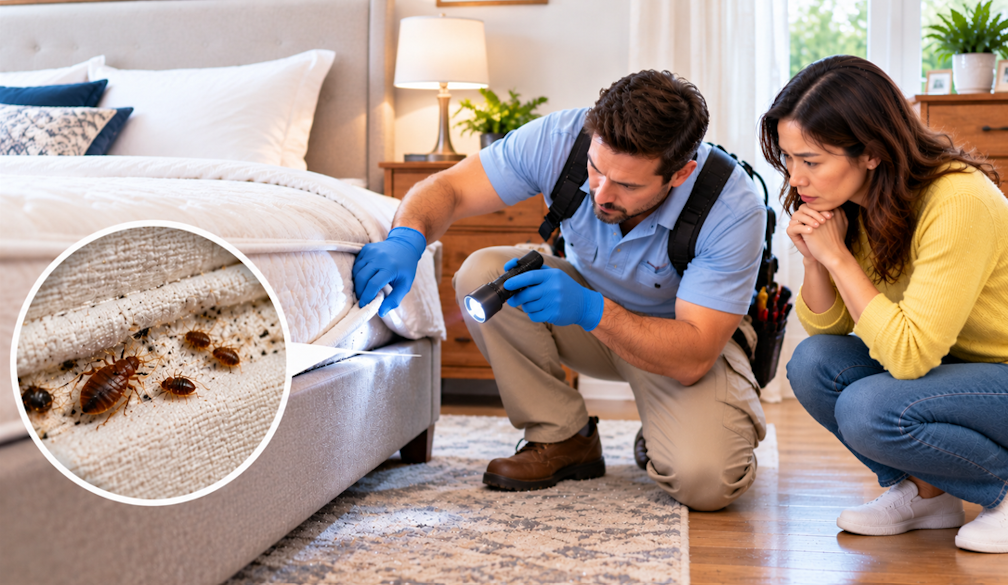
Bed bugs are one of the most stressful pests to find in a bedroom because they are small, secretive and difficult to notice early. Many people do not realise there is a problem until bites appear, blood spots are found on sheets or tiny insects are seen around the mattress. By that stage, bed bugs may already be hiding in more than one place.
A clean home can still have bed bugs. They are usually brought in through luggage, clothing, visitors, second-hand furniture, shared accommodation or apartments. Once inside, they hide close to where people sleep and feed at night when the room is quiet.
For Sydney tenants, homeowners, landlords and property managers, early identification matters. If bed bug signs are found and activity appears to be spreading, arranging Bed Bug Treatment Sydney can help confirm the issue and guide the right treatment approach.
Knowing what to look for can reduce the chance of a small bed bug issue becoming a larger infestation.
Early Signs of Bed Bugs in the Bedroom
Bed bugs are not always visible at first. The early signs are often small marks, unusual spots, shed skins or bites that appear after sleeping.
Because bed bugs hide during the day, the bedroom may look normal even when activity is present. Careful checking is needed, especially around beds and nearby furniture.
Why Bed Bugs Are Difficult to Detect Early
Bed bugs are flat, small and able to hide in narrow gaps. They often stay inside mattress seams, bed frames, headboards, bedside tables, skirting gaps, and furniture joins.
They usually come out at night, feed, then return to hiding places before morning.
This behaviour makes early detection difficult without a close inspection.
Common Places Bed Bugs Hide During the Day
Common hiding places include mattress piping, bed base fabric, screw holes, cracks in timber frames, behind headboards, inside bedside drawers and along carpet edges.
They may also hide behind loose wallpaper, curtain folds, power points or luggage stored near the bed.
The closer the hiding place is to where someone sleeps, the more likely bed bugs may use it.
Why a Clean Bedroom Can Still Have Bed Bugs
Bed bugs are not caused by dirt or poor hygiene. They are usually introduced accidentally through movement of people and belongings.
Hotels, buses, shared housing, luggage, second-hand furniture and visitor bags can all contribute to the spread.
This is why even clean, well-maintained bedrooms can develop bed bug activity.
Bed Bug Bite Marks and Skin Reactions
Bites are often the first thing people notice, but they are not enough to confirm bed bugs on their own.
Some people react strongly, while others may show no visible marks at all.
Why Bites Alone Do Not Confirm Bed Bugs
Bed bug bites can look like small red marks, itchy bumps or grouped bites on exposed skin. However, similar marks can be caused by mosquitoes, fleas, mites, allergies or skin irritation.
The pattern of bites may raise suspicion, but physical evidence in the room is needed.
Checking bedding, mattresses, and nearby furniture is important.
How Bed Bug Bites Can Be Mistaken for Other Insect Bites
Because bite reactions vary, bed bugs are often confused with other pests. Some people may assume mosquitoes are responsible, especially in warmer months.
Others may think the marks are a rash or irritation from bedding.
If bites keep appearing after sleeping, the bedroom should be inspected carefully.
Physical Signs of a Bed Bug Infestation
Physical signs are more useful than bites because they show where bed bugs may be hiding or feeding.
Even small marks can be important if they appear repeatedly.
Blood Spots on Sheets and Pillowcases
Small blood spots may appear on sheets, pillowcases or mattress covers. These can happen when a bed bug is crushed after feeding or when a small bite mark leaves a trace.
The spots may look like tiny rust-coloured marks.
Repeated marks should not be ignored.
Dark Bed Bug Droppings on Mattress Seams
Bed bug droppings often appear as small black or dark brown spots. They may look like tiny ink marks and can be found on mattress seams, bed frames, headboards or nearby furniture.
These marks may smear slightly if damp.
A torch can help reveal droppings in seams and corners.
Shed Skins, Eggs and Live Bed Bugs
As bed bugs grow, they shed pale skins. These may be found near hiding areas. Eggs are small, pale and difficult to see without close inspection.
Live bed bugs are usually brownish, oval and flat unless recently fed.
Finding shed skins or live insects is a strong sign that activity is present.
Where to Inspect for Bed Bugs at Home
A proper check should focus on the bed first, then nearby items and furniture.
Bed bugs usually stay close to sleeping areas unless the infestation has spread.
Mattress Seams, Bed Frames and Headboards
Inspect mattress seams, tags, piping and corners. Then check the bed base, timber joints, screw holes and the back of the headboard.
Fabric-covered bed bases can hide insects in folds or staples.
Wooden bed frames can also provide small cracks where bed bugs shelter.
Bedside Tables, Skirting Boards and Furniture Gaps
Bedside tables should be checked inside drawers, underneath surfaces and around joints. Skirting boards and carpet edges can also hide activity.
If signs are found beyond the bed, the infestation may be spreading.
Clutter around the bed can create more hiding places.
Luggage, Clothing and Second-Hand Furniture
Luggage is a common way bed bugs enter homes after travel. Suitcase seams, clothing folds and bags should be checked after staying away from home.
Second-hand mattresses, lounges, bed frames and bedside tables should also be inspected before being brought indoors.
Even clean-looking furniture can carry hidden bed bugs.
How Bed Bugs Spread Between Rooms and Apartments
Bed bugs can spread when belongings are moved, furniture is shifted or activity is left untreated.
In apartments, shared walls, laundry areas and frequent movement of people can make control more complicated.
Bed Bugs in Shared Buildings and Rental Properties
In rental properties and apartment buildings, bed bugs may affect more than one room or unit. Activity can spread through belongings, visitors, furniture or service gaps.
Tenants should report suspected signs early.
Property managers may need to consider whether nearby rooms or units require checking.
Why Moving Items Can Spread Bed Bugs Faster
Moving bedding, clothing, mattresses or furniture into another room can carry bed bugs with it. This may turn a bedroom issue into a wider property problem.
Items should be sealed before being moved if movement is necessary.
Keeping activity contained helps reduce spread.
What to Do If You Suspect Bed Bugs
If you suspect bed bugs, avoid panic. A calm, organised response is more effective than random spraying or moving furniture.
The goal is to confirm the signs and prevent spread.
Steps to Take Before Treatment
Take clear photos if possible. Keep any sample insect sealed safely for identification. Wash suitable bedding and clothing on appropriate hot settings if advised.
Reduce clutter carefully without moving loose items through the home.
Keep the bed area accessible for inspection.
What Not to Do When You Find Bed Bugs
Do not move bedding or furniture into other rooms. Do not sleep in another bedroom to escape the bites, as this may encourage spread.
Avoid using heavy DIY sprays, as they may scatter bed bugs into deeper hiding places.
Do not throw away furniture without proper handling.
When Professional Bed Bug Help May Be Needed
Professional help may be needed if live bed bugs are found, signs appear in multiple areas, bites continue or the source is unclear.
A proper inspection can identify where bed bugs are hiding and how treatment should be planned.
Early action usually makes the issue easier to manage.
Bed Bug Prevention Tips for Sydney Homes
Prevention focuses on reducing the chance of introducing bed bugs and making signs easier to notice.
Regular checks are especially useful after travel or when bringing used furniture into the home.
Travel Habits That Reduce Bed Bug Risk
After travel, inspect luggage before placing it on beds or carpets. Wash suitable clothing promptly and keep bags away from sleeping areas until checked.
Hotel rooms should also be checked around mattress seams and headboards.
Good travel habits can reduce the chance of bringing bed bugs home.
How to Inspect Second-Hand Furniture Safely
Before accepting second-hand furniture, check seams, cracks, screw holes and fabric folds. Avoid bringing items inside until they have been inspected carefully.
Mattresses and upholstered furniture need extra caution.
If the history of the item is unknown, it is better to be careful.
Keeping Sleeping Areas Easier to Monitor
Reduce clutter near beds, use light-coloured bedding where practical and inspect mattress seams occasionally.
Bed bug mattress encasements may make monitoring easier.
Keeping the area organised gives bed bugs fewer places to hide.
Bed Bug FAQs
Can bed bugs live in clean homes?
Yes. Bed bugs can live in clean homes because they are usually introduced through travel, furniture or belongings.
Where do bed bugs hide during the day?
They commonly hide in mattress seams, bed frames, headboards, bedside furniture, skirting gaps and nearby items.
Do bed bug bites always appear in lines?
Not always. Bite patterns vary and should not be used as the only sign of bed bugs.
Can bed bugs spread between rooms?
Yes. They can spread through clothing, bedding, bags, furniture and movement of belongings.
Should I throw away my mattress?
Not always. Throwing out a mattress without proper handling can spread bed bugs. Inspection should come first.
Conclusion
Bed bugs are easier to manage when signs are recognised early. Blood spots, dark droppings, shed skins, live insects and repeated bites should all be taken seriously.
By checking sleeping areas carefully, avoiding unnecessary movement of belongings and acting early, Sydney residents can reduce the risk of a small bed bug issue spreading through the home.