

Commercial Waste Management: A Smart Strategy for Cleaner and More Efficient Businesses
- Written by Greg Rogers
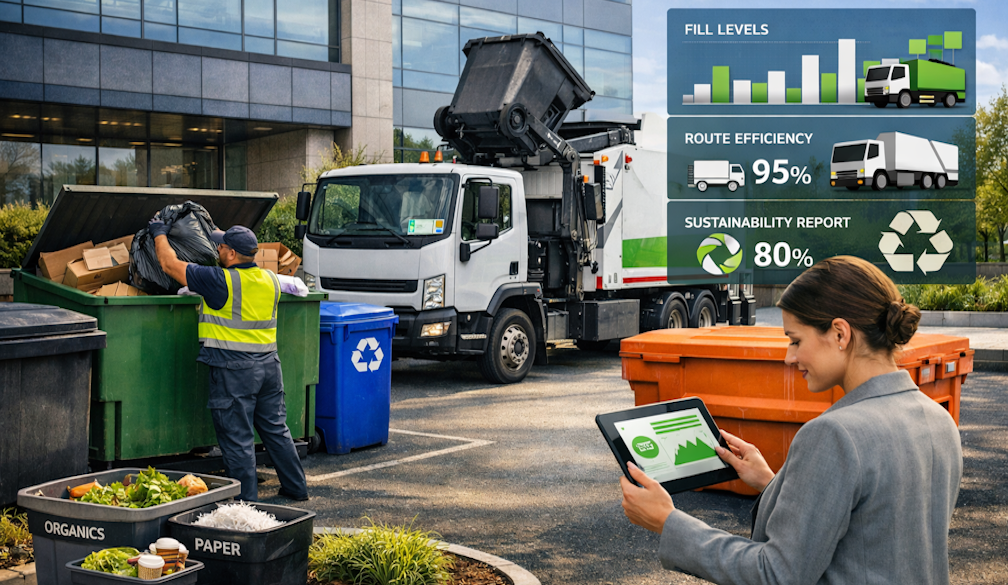
Running a business involves many responsibilities, and managing waste effectively is one of the most important. Proper commercial waste management ensures that businesses operate efficiently, remain environmentally responsible, and comply with local regulations. Whether it is a restaurant, office building, warehouse, or retail store, having a structured waste management strategy helps organisations reduce environmental impact while improving operational efficiency.
Waste generation is inevitable in commercial settings. From packaging materials and paper waste to food scraps and industrial by-products, businesses produce large volumes of waste daily. Without proper systems in place, this waste can accumulate quickly and lead to hygiene issues, environmental harm, and potential legal complications. Professional waste management services provide structured solutions to ensure waste is collected, sorted, recycled, and disposed of responsibly.
Why Waste Management Matters for Businesses
Businesses today operate in a world where environmental responsibility is increasingly important. Customers, partners, and regulators expect companies to adopt sustainable practices, and waste management is a crucial part of that expectation.
Effective waste management reduces landfill contributions and promotes recycling. When businesses separate recyclable materials such as paper, cardboard, plastics, and metals, they reduce the amount of waste that ends up in landfills. This contributes to a healthier environment and conserves natural resources.
In addition to environmental benefits, waste management also supports operational efficiency. When waste is organised and removed regularly, workplaces remain clean and safe. This reduces risks related to health hazards, pests, and workplace accidents.
Businesses also benefit financially from proper waste handling. Recycling programs and waste reduction strategies can lower disposal costs over time, helping companies operate more efficiently while supporting sustainability goals.
Types of Commercial Waste
Commercial waste varies widely depending on the nature of the business. Offices typically generate paper, packaging materials, and electronic waste. Restaurants produce food scraps, packaging waste, and cooking oil. Retail stores generate cardboard, plastic packaging, and display materials.
Industrial and manufacturing facilities often produce specialised waste that may require specific handling procedures. Construction and renovation projects can create large amounts of debris, including wood, metal, and concrete.
Understanding the type of waste produced by a business is the first step toward creating an effective waste management plan. Professional waste services assess the needs of each business and design systems that ensure proper collection and disposal.
Sustainability and Recycling Initiatives
Modern waste management focuses heavily on sustainability. Recycling programs play a major role in reducing environmental impact. Businesses can implement recycling bins, educate staff about proper waste sorting, and partner with waste management providers that prioritise recycling processes.
Composting is another sustainable solution, particularly for businesses in the food industry. Organic waste can be processed into compost rather than being sent to landfill, significantly reducing environmental impact.
Sustainability initiatives also enhance a company’s public image. Consumers increasingly prefer to support businesses that demonstrate environmental responsibility. Companies that invest in responsible waste management show their commitment to sustainable practices.
Compliance With Environmental Regulations
Waste disposal is subject to strict regulations in many regions. Businesses must follow guidelines related to waste handling, storage, transportation, and disposal. Failure to comply with these regulations can result in fines, penalties, or reputational damage.
Professional waste management providers stay up to date with regulatory requirements and ensure businesses remain compliant. They handle the logistics of waste collection and disposal while maintaining proper documentation and procedures.
Compliance also protects employees and the surrounding community. Proper waste handling prevents contamination, pollution, and health risks associated with improper disposal.
Creating an Efficient Waste Management Plan
A successful waste management strategy begins with assessing current waste generation and identifying areas for improvement. Businesses can conduct waste audits to determine what materials are being discarded and how they can be reduced or recycled.
Once waste types and volumes are understood, companies can implement structured disposal systems. This includes clearly labelled bins, scheduled collections, and designated recycling areas.
Staff education is another key component. Employees should understand how to separate waste correctly and why it matters. Training programs can help reinforce responsible practices and ensure consistency throughout the organisation.
Technology is also playing a growing role in waste management. Smart waste systems track waste generation, optimise collection schedules, and provide insights that help businesses improve efficiency.
The Future of Commercial Waste Solutions
As environmental concerns continue to grow, the future of waste management will focus even more on sustainability and innovation. Advanced recycling technologies, circular economy initiatives, and waste-to-energy solutions are becoming increasingly important.
Businesses that adopt modern waste strategies will not only reduce environmental impact but also position themselves as responsible and forward-thinking organisations.
Effective waste management is no longer just about disposal. It is about transforming waste into resources, minimising environmental impact, and creating cleaner communities.
Conclusion
Commercial waste management plays a vital role in maintaining efficient, responsible, and environmentally conscious businesses. By implementing structured waste strategies, organisations can reduce costs, improve workplace safety, and contribute to sustainability efforts. Businesses that prioritise responsible waste practices not only meet regulatory requirements but also build a positive reputation in an increasingly eco-conscious world.