
Why Water Tanks Are Essential For Efficient Water Storage And Sustainable Living
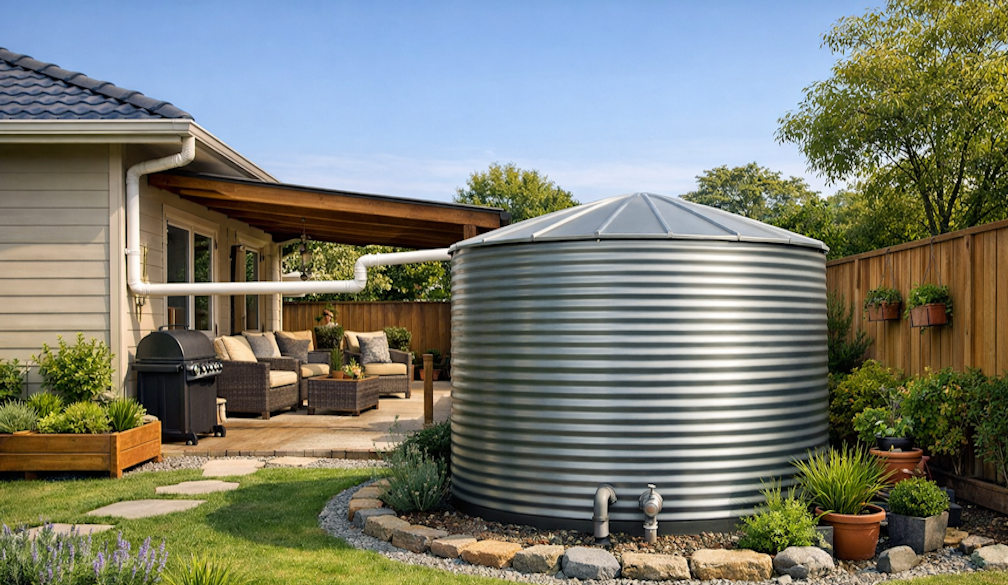
Water is one of those quiet essentials that shapes daily life without asking for attention. It flows through taps, nourishes gardens, and supports countless activities, yet its availability is often taken for granted. This is where Water Tanks step in as a practical and forward-thinking solution, allowing households and businesses to store, manage, and utilise water more efficiently.
As concerns around water conservation and rising utility costs grow, water tanks are becoming an increasingly important part of modern infrastructure. They offer both independence and resilience, ensuring that water is available when it is needed most.
Understanding The Purpose Of Water Storage
Water tanks are designed to store water for later use, providing a reliable supply that can be accessed whenever required. This stored water can come from rainwater collection, delivered water, or other sources depending on the system.
Having a dedicated storage system ensures that water is not wasted and can be used efficiently across different applications. It transforms water from a temporary resource into a manageable and dependable reserve.
Reducing Dependence On External Water Supply
One of the key advantages of water tanks is their ability to reduce reliance on external water sources. By storing water, households can decrease their dependence on mains supply.
This is particularly beneficial during water restrictions, shortages, or unexpected disruptions. Water tanks provide a level of self-sufficiency, ensuring that essential needs can still be met.
Over time, this reduced dependence can also lead to noticeable savings on water bills.
Supporting Sustainable Water Management
Sustainability is becoming a central focus in modern living, and water tanks play a significant role in this shift. By storing and reusing water, they help reduce overall consumption and minimise waste.
Water tanks also contribute to reducing the demand on public water systems, which require energy and resources to operate. This makes them an environmentally responsible choice for both residential and commercial use.
Incorporating water tanks into daily life supports a more mindful and sustainable approach to resource management.
Versatile Applications Across Different Needs
Water tanks are incredibly versatile and can be used for a wide range of purposes. From watering gardens and washing vehicles to supporting agricultural and industrial needs, their applications are extensive.
In residential settings, stored water can be used for outdoor tasks and, with proper systems, even for indoor use such as flushing toilets or laundry.
This flexibility makes water tanks a valuable addition to any property, adapting to different requirements with ease.
Choosing The Right Water Tank
Selecting the right water tank involves considering several factors, including size, material, and placement. The size of the tank should align with water usage needs and available space.
Materials such as steel, plastic, and concrete offer different advantages in terms of durability, cost, and maintenance. Placement options include above-ground and underground installations, each with its own benefits.
Understanding these factors helps ensure that the chosen tank meets both functional and aesthetic requirements.
Long-Term Cost Savings And Value
While installing a water tank involves an initial investment, the long-term financial benefits can be significant. By reducing reliance on mains water, households can lower their utility bills over time.
Additionally, water tanks can increase property value by adding a sustainable feature that appeals to modern buyers. This combination of savings and added value makes them a smart investment.
Improving Water Security During Dry Periods
Water availability can vary due to seasonal changes and climate conditions. Water tanks provide a buffer against these fluctuations by storing water during periods of availability.
During dry spells or drought conditions, this stored water becomes an essential resource. It ensures that basic needs can still be met without relying entirely on external supply.
This added security is particularly valuable in regions prone to water scarcity.
Low Maintenance And Durability
Modern water tanks are designed for durability and long-term use. With proper maintenance, they can provide reliable service for many years.
Routine checks, cleaning, and ensuring that filters and connections are functioning properly are usually sufficient to maintain performance. This low maintenance requirement adds to their practicality.
Enhancing Property Functionality
Beyond their practical benefits, water tanks enhance the overall functionality of a property. They provide an additional resource that can be used in various ways, improving efficiency and convenience.
Whether for residential, agricultural, or commercial use, water tanks support a more organised and resourceful approach to water management.
Conclusion: A Smart Step Toward Better Water Management
Water tanks offer a reliable and efficient way to store and manage water, supporting both sustainability and cost savings. By providing an independent water source, they enhance resilience and reduce reliance on external supply.
Investing in a water tank is not just about storage; it is about creating a smarter and more responsible approach to using one of our most valuable resources. In the end, water tanks turn everyday water usage into a system that is efficient, sustainable, and future-ready.