

Why Ceiling Fans Continue To Be A Reliable Choice For Indoor Comfort
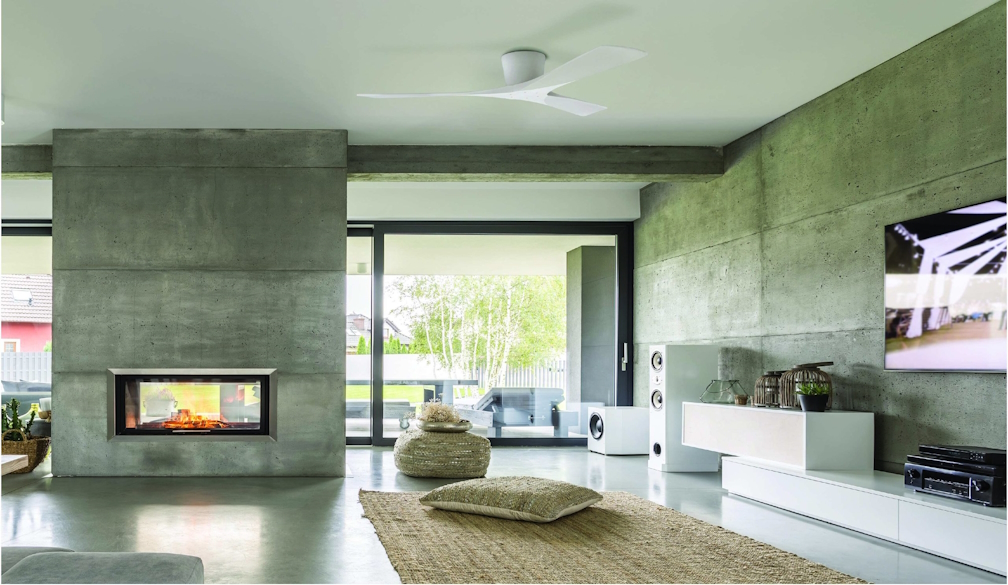
Installing ceiling fans remains one of the most effective ways to improve air circulation and maintain indoor comfort. Despite advancements in cooling technology, ceiling fans continue to be widely used due to their simplicity, energy efficiency, and adaptability across different environments. They provide a practical solution for maintaining airflow without significantly increasing energy consumption.
In addition to their functional benefits, ceiling fans are available in a wide range of designs that suit various interior styles. This combination of performance and aesthetics makes them a versatile option for both residential and commercial spaces. Understanding how they function and the advantages they offer helps individuals make informed decisions when selecting the right model.
How Ceiling Fans Improve Airflow And Comfort
Ceiling fans operate by moving air throughout a room, creating a consistent breeze that enhances comfort. This airflow helps regulate temperature by reducing the sensation of heat, even though the fan does not actually lower the room’s temperature. By improving circulation, ceiling fans prevent air from becoming stagnant.
This improved airflow also helps distribute cool or warm air more evenly. In combination with heating or cooling systems, ceiling fans contribute to a balanced indoor environment. This makes them an effective solution for maintaining comfort throughout the year.
Energy Efficiency And Cost Benefits
One of the key advantages of ceiling fans is their energy efficiency. Compared to air conditioning systems, fans consume significantly less electricity while still providing noticeable comfort. This makes them a cost-effective solution for managing indoor temperatures.
Using ceiling fans alongside air conditioning can further enhance efficiency. By improving air distribution, fans allow for higher thermostat settings without compromising comfort. This reduces overall energy consumption and leads to lower utility costs over time.
Versatility Across Different Spaces
Ceiling fans are suitable for a wide range of spaces, including living rooms, bedrooms, offices, and commercial areas. Their versatility allows them to be used in various environments, providing consistent airflow wherever needed. Outdoor areas such as patios can also benefit from specially designed fans.
This adaptability ensures that ceiling fans can meet different requirements, whether for residential comfort or commercial functionality. Their ability to perform effectively in diverse settings makes them a practical choice.
Design Options And Aesthetic Appeal
Modern ceiling fans are designed to complement different interior styles. From sleek and minimalist designs to more traditional options, there are models that suit a variety of preferences. This allows homeowners and businesses to select fans that align with their décor.
Design elements such as blade shape, material, and colour influence how the fan integrates into the space. A well-chosen ceiling fan can enhance the overall appearance of a room while providing essential functionality.
Factors To Consider When Selecting Ceiling Fans
Choosing the right ceiling fan involves evaluating several factors. Room size is a critical consideration, as it determines the appropriate blade span and airflow capacity. Larger rooms require fans that can move more air, while smaller spaces can be adequately served by compact models.
Ceiling height also plays an important role. Fans should be installed at a height that ensures optimal performance and safety. Additional features such as adjustable speed settings, remote controls, and energy-efficient motors can further enhance usability.
Installation And Safety Considerations
Proper installation is essential for ensuring that ceiling fans operate efficiently and safely. While some installations may be straightforward, professional assistance is often recommended to ensure correct mounting and electrical connections.
Safety considerations include ensuring that the fan is securely attached and positioned at the correct height. Proper installation helps prevent operational issues and ensures long-term reliability.
Maintenance For Long-Term Performance
Maintaining ceiling fans is relatively simple but essential for ensuring consistent performance. Regular cleaning of blades prevents dust buildup, which can affect efficiency and air quality. Periodic checks of the motor and components help ensure smooth operation.
Routine maintenance extends the lifespan of the fan and ensures that it continues to function effectively. Addressing minor issues early helps prevent more significant problems over time.
Year-Round Benefits Of Ceiling Fans
Ceiling fans are not limited to use during warmer months. Many models offer reversible motor functions that allow them to be used in winter as well. By reversing the direction of the blades, fans can help distribute warm air more evenly throughout a room.
This year-round functionality makes ceiling fans a versatile addition to any space. They provide comfort in different seasons, contributing to a balanced indoor environment.
Conclusion
Ceiling fans continue to be a reliable and efficient solution for improving indoor comfort and air circulation. Their energy efficiency, versatility, and wide range of design options make them suitable for various environments. With proper selection, installation, and maintenance, ceiling fans provide long-term benefits and support a comfortable living or working space.