

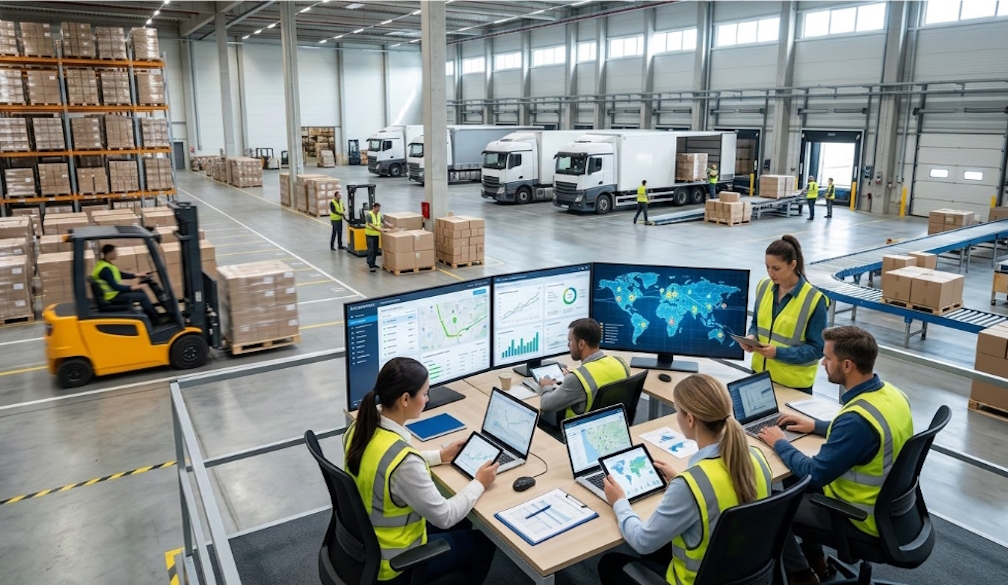
The global logistics landscape has entered an era of unprecedented volatility, placing immense pressure on corporate supply chains to maintain operational efficiency. Today, commercial enterprises face a complex array of challenges, from shifting consumer demands to unpredictable port congestions and shipping disruptions. Within this high stakes environment, traditional distribution methods that rely on reactive management are no longer sufficient to guarantee corporate stability. Achieving long term resilience requires a fundamental shift toward predictive planning, automated asset tracking, and the integration of highly sophisticated inventory control systems.
When cargo management networks experience chronic bottlenecks or unexpected delays, the negative financial repercussions ripple across the entire corporate structure. Material shortages halt production lines, unfulfilled orders erode consumer trust, and emergency courier fees rapidly destroy projected profit margins. To prevent these systemic vulnerabilities from fracturing business continuity, operational managers must thoroughly audit their delivery frameworks. The goal is to eradicate hidden structural friction and establish a reliable, self monitoring network that adapts dynamically to real time logistical challenges.
Optimising Warehouse Management and Route Intelligence
The journey toward total supply chain reliability begins within the modern distribution facility. Traditional warehouse configurations often suffer from poor spatial layout planning and manual picking workflows, resulting in slow order processing times and frequent picking errors. By deploying advanced enterprise resource planning systems and automated stock allocation tools, businesses can streamline their internal operations significantly. Ensuring inventory is positioned strategically based on demand velocity allows fulfillment teams to pack and dispatch shipments with optimal speed.
Beyond the warehouse walls, route optimisation technology plays an essential role in mitigating transit delays. Relying on fixed, historical transport routes leaves delivery fleets highly vulnerable to urban traffic gridlock, sudden road closures, and seasonal weather disruptions. Modern transit planning utilises real time tracking algorithms to evaluate current road conditions, dynamically diverting vehicles away from congested zones. This continuous intelligence ensures that transit assets remain in constant motion, drastically lowering fuel consumption and guaranteeing highly predictable delivery windows.
The Strategic Value of Unified Logistical Services
Achieving maximum efficiency across fragmented shipping channels can be incredibly difficult when dealing with multiple independent transport providers. Managing disconnected communication loops and mismatched scheduling standards frequently introduces costly administration errors and handling delays at major transit hubs. To resolve this friction, forward thinking enterprises are increasingly consolidating their transport networks under a single, unified service framework.
Partnering with an experienced provider of end to end logistical solutions allows businesses to establish a completely transparent tracking environment. A centralised transport layout bridges the traditional gap between regional warehousing and final mile distribution networks, ensuring data flows smoothly across every critical checkpoint. This comprehensive operational visibility empowers supply chain managers to identify emerging bottlenecks early, allowing them to adjust shipping schedules proactively before a minor delay impacts the end consumer.
Nurturing Agility for Long Term Commercial Success
Ultimately, reinforcing the structural reliability of a supply chain requires a continuous commitment to operational visibility and strategic agility. Businesses that continue to rely on legacy fulfillment systems will inevitably struggle to stay competitive in a fast paced commercial market. Investing in predictive route intelligence, automated inventory storage, and unified transport management removes the daily friction that threatens corporate productivity.
By building a robust, adaptive distribution network, your enterprise eliminates unnecessary operational risks and protects its brand reputation. Prioritising comprehensive logistics integration safeguards your inventory investments, keeps your commercial commitments completely intact, and establishes a secure, highly profitable foundation for your long term business growth. This disciplined approach ensures that your logistics framework operates as a powerful competitive advantage, enabling your business to handle sudden economic shifts with absolute certainty and seamless execution across all networks.